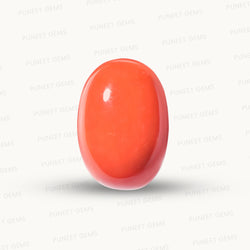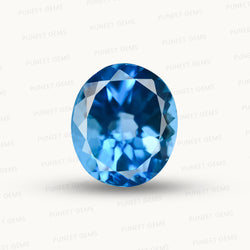

Delhi has one of the largest gemstone markets in India, which is exactly what makes buying here confusing — dozens of sellers, wide price ranges for the "same" stone, and certificates that don't always mean what buyers assume they mean. This guide covers what actually matters when buying a natural or certified gemstone in Delhi, whether you're looking at Blue Sapphire, Yellow Sapphire, Ruby, Emerald, Gomed, Pearl, or Red Coral.
What Counts as a "Natural" Gemstone — and What Doesn't
A natural gemstone is one formed geologically rather than manufactured in a lab. But natural doesn't automatically mean untreated — many natural stones are heat-treated or otherwise enhanced to improve color or clarity, which is legitimate as long as it's disclosed. This is exactly why certification matters more than the word "natural" printed on a price tag: a lab report should tell you the stone type, whether it's natural or lab-grown, and which treatments (if any) were detected.
How to Choose a Gemstone Seller in Delhi
1. Ask what the certificate actually covers. A genuine certificate states variety, weight, measurements, color, and detected treatment — not just "genuine gemstone" with a stamp.
2. Don't assume natural = untreated = high value. These are three separate questions. Ask all three, every time.
3. Compare on full specification, not price per carat alone. Two stones of the same type and weight can differ enormously in value based on origin, treatment, clarity, and cut. A seller quoting one flat price "per carat" regardless of these factors is a red flag, not a bargain.
4. Examine before you commit. In-store, check color consistency, transparency, and inclusions under proper lighting. Buying online, ask for close-up photos/video, exact measurements, and the certificate itself before paying — not after.
Gemstone-by-Gemstone: What to Check
|
Gemstone |
Also Known As |
What Drives Its Price |
What to Verify |
|
Blue Sapphire |
Neelam |
Color depth, origin, heat treatment |
Ceylon vs. other origin, treatment disclosure |
|
Yellow Sapphire |
Pukhraj |
Clarity, color saturation, origin |
Natural vs. heated, Ceylon vs. Thai origin |
|
Ruby |
Manik |
Color, origin, cut/uncut status |
Natural vs. heated vs. Pota (uncut) — see our Pota Ruby guide |
|
Emerald |
Panna |
Clarity (inclusions are common), treatment |
Oiling/treatment disclosure — very common in Emerald specifically |
|
Gomed |
Hessonite |
Origin (Ceylon vs. Siloni), clarity |
Certificate confirming natural Hessonite, not garnet substitute |
|
Pearl |
Moti |
Natural vs. cultured, shape, luster |
Natural vs. cultured status explicitly stated |
|
Red Coral |
Moonga |
Color, origin (Italian vs. Japanese), treatment |
Dye/treatment disclosure — undyed coral commands a premium |
Is a Certificate Always a Guarantee?
Not entirely — a certificate documents what a lab found during testing, not a guarantee of every claim a seller makes separately. Read what the report actually states rather than assuming it backs every verbal claim. One unrelated point worth clearing up: BIS hallmarking in India applies to gold and silver, not gemstones — it's not a substitute for a gemstone certificate.
Buying Online vs. In-Store in Delhi
In-store lets you examine the stone directly and speak with the seller face to face — useful for high-value purchases.
Online gives you more selection and convenience, but shifts more of the verification burden onto documentation: insist on clear photos, exact specifications, the certificate itself, and a stated return policy before ordering — not just product images.
Buying at Puneet Gems, Kamla Nagar
Puneet Gems is a certified gemstone and Rudraksha seller based in Kamla Nagar, Delhi, stocking Blue Sapphire, Yellow Sapphire, Ruby (including Pota Ruby), Emerald, Gomed/Hessonite, Pearl, and Red Coral — each sold with lab certification stating variety, weight, and detected treatment. If you're buying for astrological purposes specifically, see our planetary gemstone guide to confirm which stone matches your requirement before comparing sellers.
Frequently Asked Questions
How can I identify a natural gemstone before buying?
Visual inspection alone isn't reliable — a lab certificate confirming natural vs. treated status is the only strong evidence, especially for higher-value stones.
What should I check before buying a gemstone in Delhi?
Gemstone type, carat weight, color, clarity, treatment, certification, and the seller's return policy — in that order of importance, not price first.
Is BIS hallmarking relevant to gemstones?
No — BIS hallmarking applies to gold and silver jewellery in India, not to gemstone authenticity. Gemstone authenticity requires a separate gemological lab certificate.
Can I buy certified gemstones online in Delhi?
Yes — but verify the certificate, request detailed photos/specifications, and confirm the return policy before ordering, since you can't physically examine the stone first.