
If you've come across the term "Pota Ruby" while researching gemstones, you're not alone — it's one of the most-searched Ruby terms we see, yet almost nobody selling it explains clearly what it actually is. This guide covers what Pota Ruby means, how it differs from regular heated Ruby, what drives its price, and how to buy a genuine, certified piece.
What Is Pota Ruby?
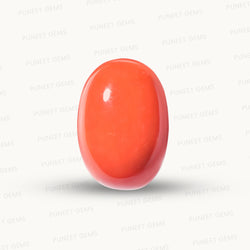
"Pota" is a trade term used mainly in the Indian gemstone market for an uncut, natural Ruby — typically sourced from Mozambique — sold in its rough or semi-polished form rather than faceted. Because it isn't cut and heat-treated the way most commercial Ruby is, Pota Ruby is prized by buyers who specifically want a natural, untreated stone for astrological wear, where treatment-free status matters more than polish.
The name has nothing to do with quality on its own — a Pota Ruby can range from low-clarity commercial grade to gem-quality, so "Pota" tells you about the cut and treatment status, not the grade.
Pota Ruby vs. Heated Ruby vs. Faceted Natural Ruby
This is the single most common confusion buyers have, and it's exactly what this cluster of searches is trying to resolve:
|
Type |
Treatment |
Cut |
Typical Buyer Intent |
|
Pota Ruby (Mozambique) |
Untreated / natural |
Uncut or minimally shaped |
Astrological wear where "natural, untreated" is a strict requirement |
|
Heated Ruby |
Heat-treated to improve color/clarity |
Faceted |
Jewellery buyers prioritizing appearance and size at a lower price |
|
Faceted Natural Ruby |
Untreated |
Faceted |
Buyers wanting both natural status and polished appearance (commands the highest price per carat) |
If your priority is Vedic astrology use — Ruby (Manik) is worn for the Sun (Surya) to strengthen confidence, leadership, and government or authority-related success — Pota Ruby is usually the recommended form specifically because it avoids any treatment.
What Determines Pota Ruby Price?
Pota Ruby pricing depends on the same core factors as any Ruby, but weighted differently because it's sold uncut:
-
Carat weight — priced per carat, and because it's uncut, weight is measured on the rough stone directly
-
Origin — Mozambique Ruby is the dominant source for Pota-grade stones sold in India and commands a mid-to-premium price versus other African origins
-
Clarity and color saturation visible even in rough form — deeper red with minimal visible inclusions costs more
-
Certification — a lab certificate (GTL Jaipur, IGI) confirming natural, untreated status is essential and affects price; uncertified Pota Ruby should always be priced lower and treated with caution
There's no single fixed "Pota Ruby price" — genuine sellers quote per-carat rates after seeing the specific stone, so be skeptical of any listing with a flat price regardless of carat or clarity.
How to Buy Genuine Pota Ruby
-
Confirm the certificate explicitly states "natural" and "untreated" — not just "Ruby"
-
Ask for origin confirmation (Mozambique vs. Burma vs. Thailand) since this affects both price and astrological preference in Indian buying tradition
-
Get carat weight confirmed against the certificate before payment
-
If buying for astrological wear, confirm with the seller whether the stone needs further shaping/polishing or is worn as-is
-
Compare per-carat pricing against at least one faceted natural Ruby listing to understand the price gap and confirm you're not overpaying for an uncut stone
Puneet Gems — Pota Ruby (Mozambique)
Puneet Gems stocks certified Mozambique Pota Ruby alongside faceted natural and heated Ruby options, so buyers can compare all three treatment/cut types side by side before deciding — each listed with carat weight and certification.
FAQs
Is Pota Ruby natural or treated?
Pota Ruby is specifically the untreated, uncut form of Ruby — that's the defining characteristic of the term. Always verify this against the lab certificate rather than the listing title alone.
What is the price of Pota Ruby per carat?
There is no fixed rate — price depends on carat weight, origin, and clarity, and is quoted per stone after certification. Treat any flat, size-independent price as a red flag.
Is Mozambique Pota Ruby better than Burmese Ruby?
Neither is universally "better" — Burmese Ruby is traditionally prized for color, while Mozambique has become the dominant modern source and offers strong natural, untreated options at a more accessible price point.
Can Pota Ruby be worn without cutting or polishing?
Yes, many buyers wear Pota Ruby set in a pendant or ring in its natural uncut form specifically to preserve its untreated status; a jeweller can set it without altering the stone itself.